Design · Build · Maintain · Train
Building what India currently imports
MRS Aircraft Private Limited is an aviation engineering company registered in Bengaluru, Karnataka.
India flies more people every year than it did the year before, and buys most of the engineering behind that growth from somewhere else. We started this company to move some of that work onshore: the manufacturing, the maintenance, and the training that makes both sustainable.
Our work sits in three connected places. We build aircraft and aircraft components. We maintain the infrastructure that aircraft depend on once they are on the ground. And we train the engineers and technicians who will still be doing this in twenty years.

To bring aircraft engineering, airport maintenance and aviation training up to international standard from an Indian base, and to build the workforce that keeps it there.
An India that draws its own aircraft, maintains its own airports, and trains its own aviation workforce.
Four capabilities. One company.
MRS Aircraft works in four areas of the aviation industry. Detailed capability information, facility details and technical documentation are shared directly with clients and partners on request.
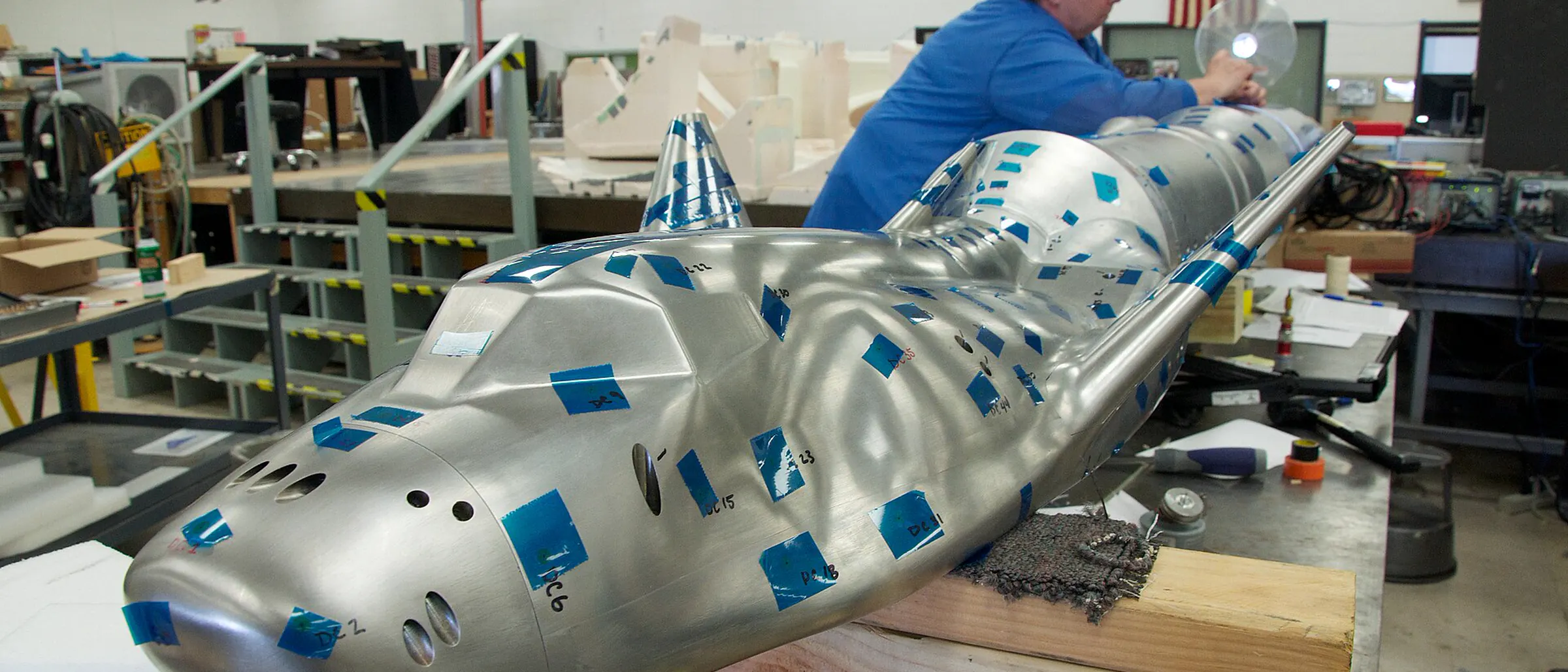
Aircraft Manufacturing
We design, engineer and build aircraft and the precision components that go into them.
- Passenger aircraft
- Cargo aircraft
- Light aircraft
- Components
- Engines
- Engine testing
- Airframe maintenance
- Simulators
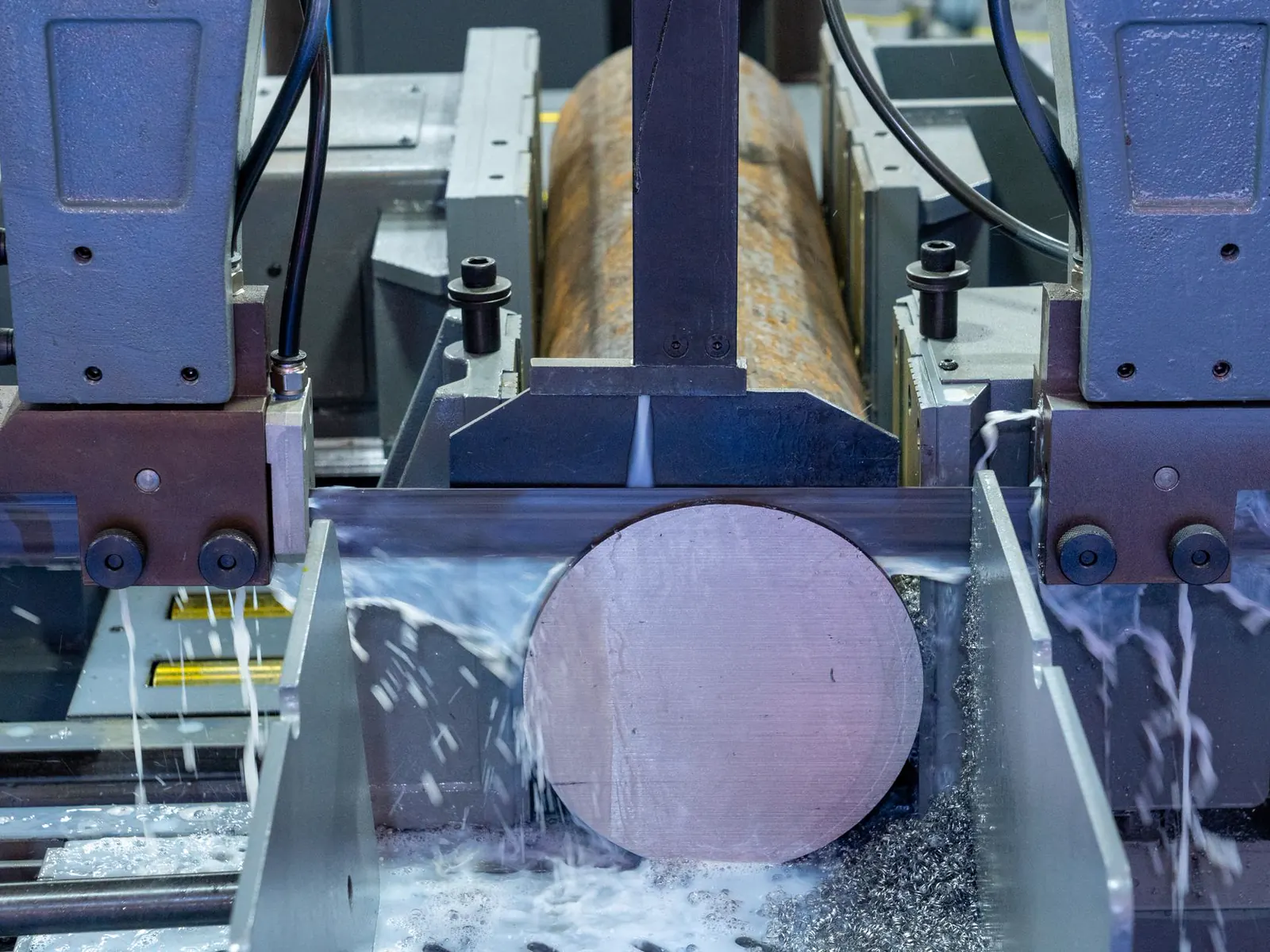
Airport Maintenance
We keep airfields, buildings, electrical and mechanical systems, utilities and ground support equipment running across airport operations.
- Airfield
- Buildings and facilities
- Electrical and mechanical
- Utilities
- Ground support equipment
- Safety and environment
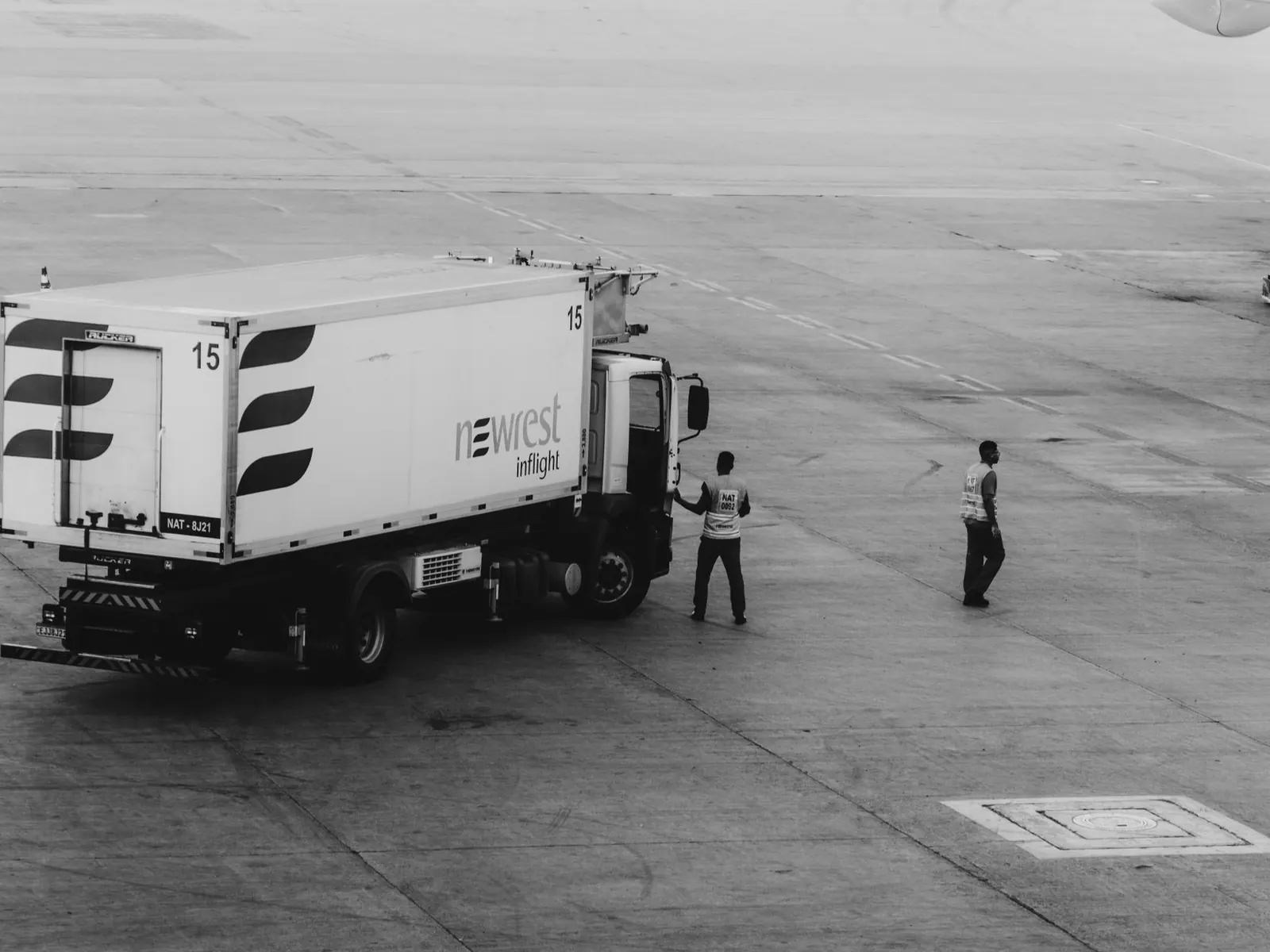
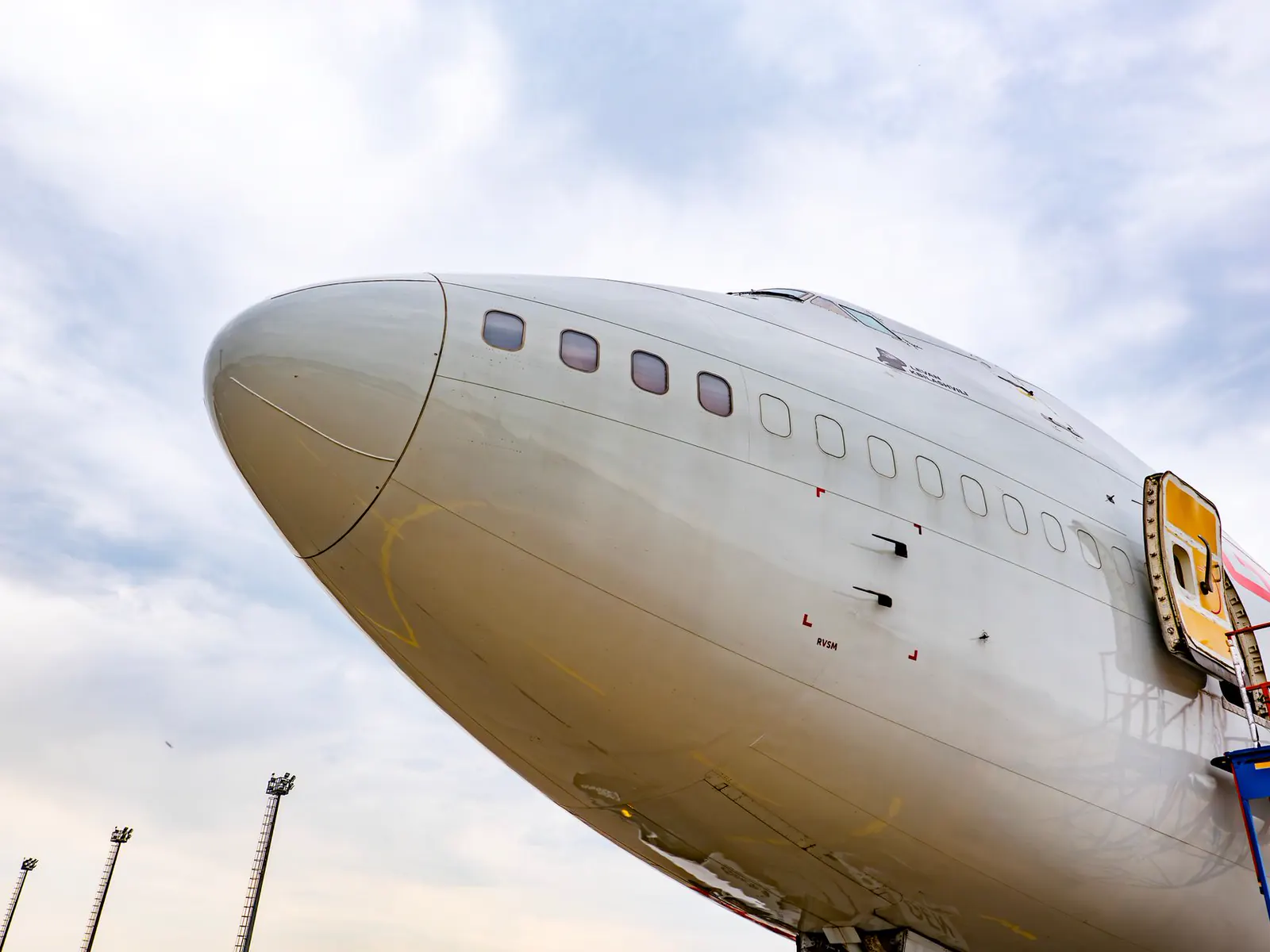
Aircraft Dismantling
We take retired aircraft apart in the order that keeps the value in them, and we document every part that comes off.
An aircraft at the end of its service life is not scrap. It is an inventory of parts, most of which have years left, and a few tonnes of aluminium and titanium that are worth recovering properly. The work is a sequence: park and inventory the aircraft, paint out the livery and registration so a retired airframe can never be confused with a working one, remove the engines, then the components worth recovering, then dismantle the structure and separate the materials by stream.
What decides whether any of that has value is the paperwork. A component with its history is inventory. The same component without it is metal. That is the part of this work we treat as the product.
- Inventory and records
- Livery removal
- Engine removal
- Component recovery
- Airframe dismantling
- Material segregation
Training is the fourth. We train and certify the people who do all of the above, and the Air Academy has a page of its own.
Full capability statements, facility information and technical documentation are available to qualified clients and partners under NDA.
A wing is a structure first
Lift is the easy part. Everything above it is load paths: spars that carry the bending, ribs that hold the section, skin that takes the shear and closes the box.
Manufacturing, maintenance and training all read the same drawing. Build it to tolerance, inspect it on schedule, and teach the person signing it off what they are looking at.
- Upper skin, shear panel
- Front spar, main load path
- Rear spar, flap and gear attachment
- Ribs, section and stiffness
- Stringers, skin stabilisation
- Leading edge, formed section
- Trailing edge flap
- Winglet, tip device
What we hold to
Engineering leads
We start every programme as an engineering problem. The marketing comes after, if at all.
Precision is not negotiable
We verify tolerances at each stage, and we document every one.
Safety outranks schedule
We hold to that on every job, at every level, without exception.
Research needs patience
We fund work that pays back over decades rather than quarters.
We keep our word
To customers, to partners, and to the people who work here.
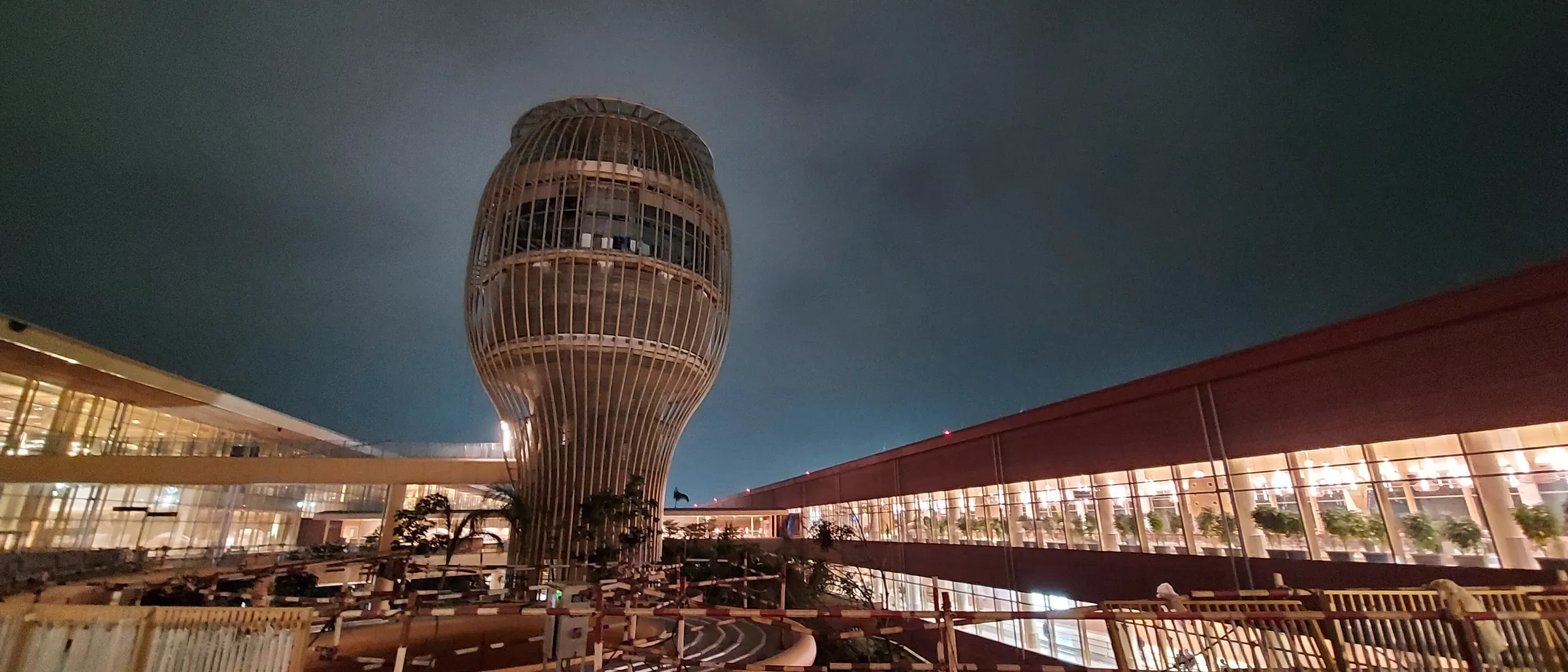
Designed here. Built here.
Self-reliance in aviation is not a slogan for us, it is the business model. Every capability we stand up is one the country stops importing. That is the whole point of the company.
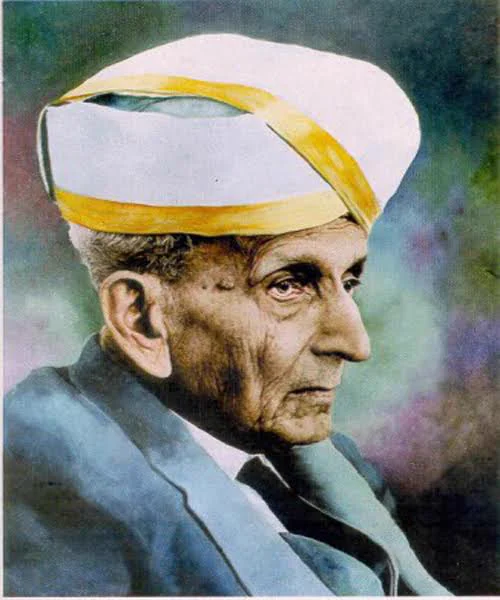
Our inspiration, our guru
Sir Mokshagundam Visvesvaraya was Chief Engineer of Mysore, and then its Diwan from 1912 to 1918. He built what the state still runs on: the Krishna Raja Sagara dam, a block irrigation system across the Deccan, and the automatic weir floodgates he designed and patented in 1903.
He built institutions with the same seriousness. Mysore Iron and Steel Works at Bhadravathi, the State Bank of Mysore, and in 1917 the Government Engineering College in Bangalore, because capability with nobody trained to run it is a monument rather than an industry. He was knighted in 1915, given the Bharat Ratna in 1955, and died in 1962 at a hundred years old.
India marks his birthday, 15 September, as Engineer’s Day. He is on our business card and he is on this page for one reason. Manufacture at home, maintain what you build, and train the people who will do both. He did all three first, with far less to work with.
277/A, 1st Floor, 6th Cross Road
Near Madhavan Park, Jayanagar 1st Block
Bengaluru, Karnataka 560 011
India